Window screens 411

Screen info worth knowing.

Extra information about window screens in general, and what coastal salt air and sun do to them. We hope you find it useful, and we keep adding to it.

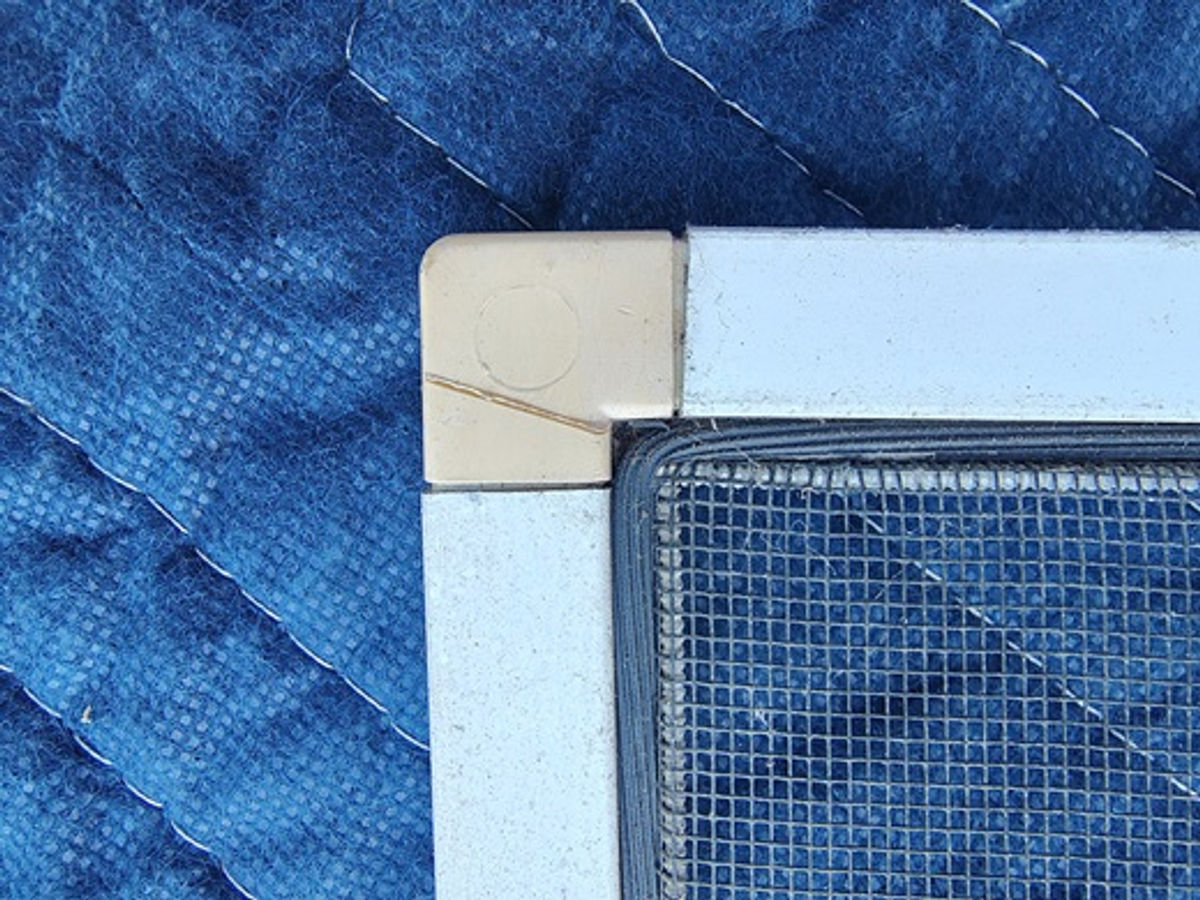
Close-up of an old screen frame corner with yellowing, cracked plastic

Old plastic corners that are brittle and breaking

If you have old screens with yellowing corners, those corners are becoming increasingly brittle and are very prone to breaking. This happens from UV light degradation and is a sign that you need new screens, not just the mesh replaced.

With us you have the option of sticking with new plastic corners or upgrading to mitered frames with aluminum corners, which last as long as the frames do: many years.
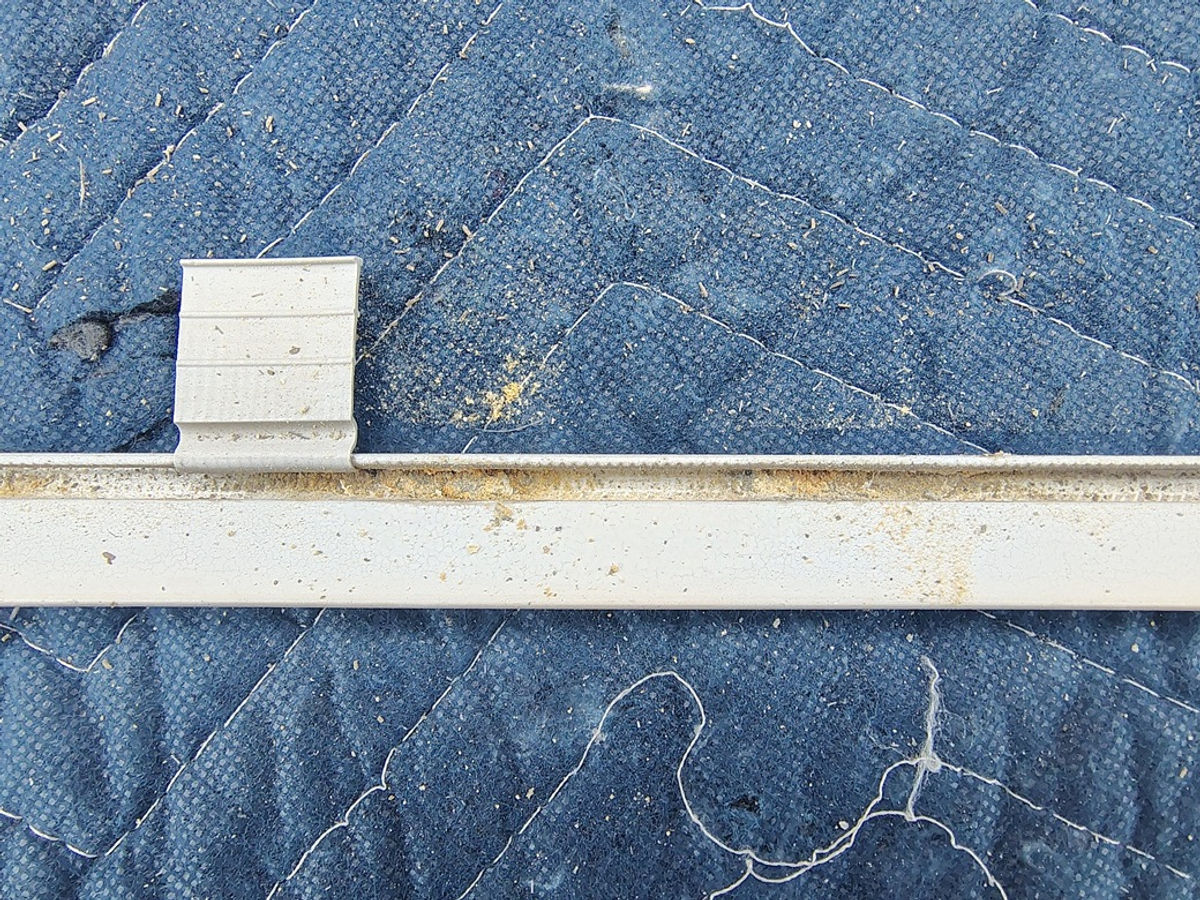
Corroded aluminum screen frame showing yellowish white rust along the edge

Did you know aluminum rusts too?

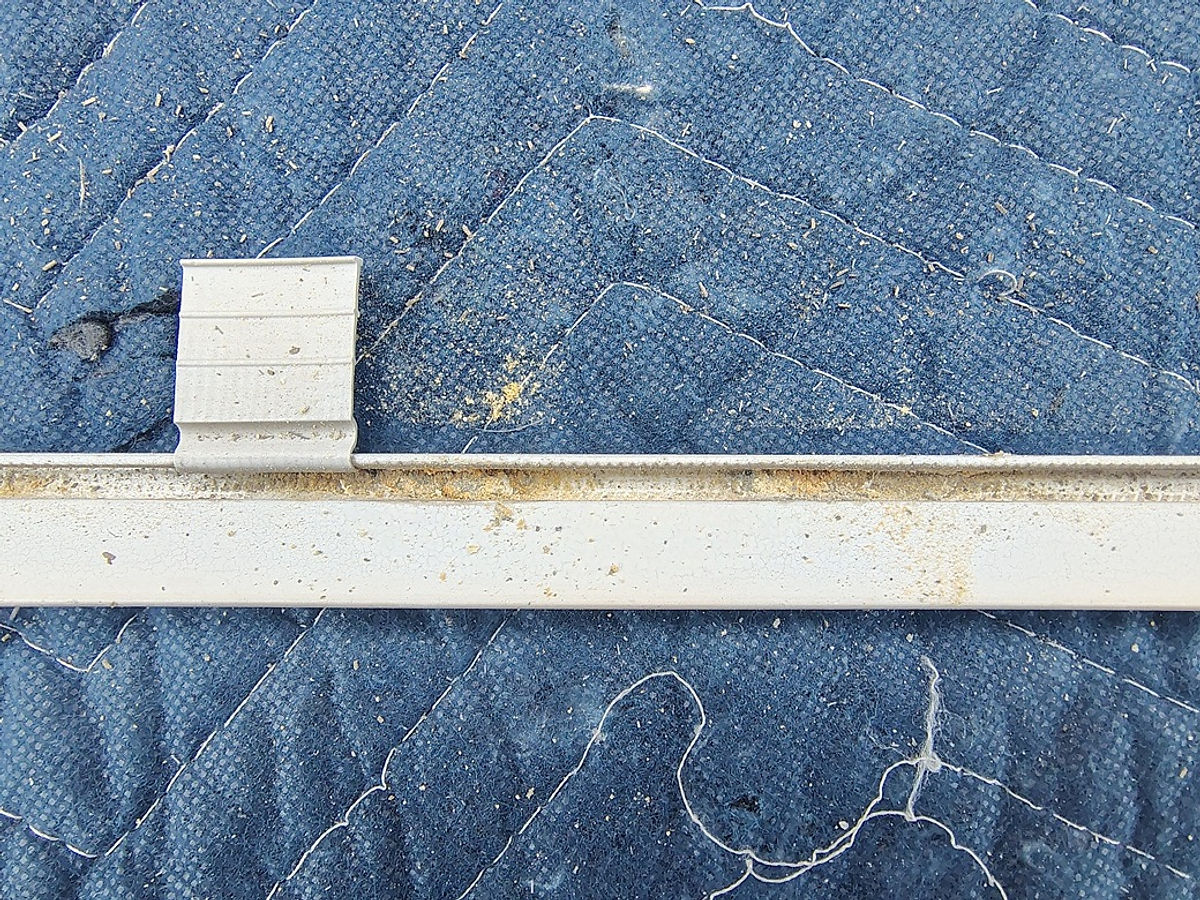
Coastal climates play havoc on metal, even aluminum. It is common for older window and door screen frames in a coastal climate to show signs of corrosion, or what is called white rust, although it usually looks a bit yellow.

It eats away at the metal and is a sign it is time to replace your window or door screen frames. It is commonly found hiding under the screen spline.

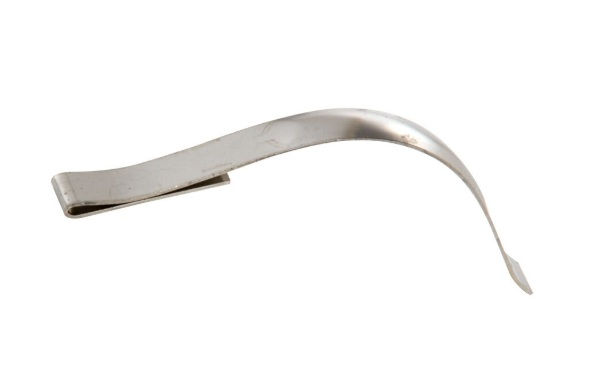
Stainless steel tension spring hardware used on a window screen

We only use stainless steel tension springs

Coastal climates play havoc on metal, especially steel. It is common for us to see older screens whose tension springs have completely rusted away, leaving the window screen without the proper tension to stay in place.

Be careful: some other screen vendors still use the cheaper steel springs.

Side by side comparison of a sun bleached white screen and a freshly rescreened charcoal screen

Side by side: what the sun does to a screen

Over the years the sun will turn your black or charcoal colored screens white and obstruct your view. The screen on the left has aged that way. The screen on the right has been rescreened. What a difference.

Aluminum screen frame corrosion found under the screen spline

Where to look on your own screens

Check the corners for yellowing and cracks, run a fingernail along the frame under the spline for soft or chalky metal, and look at the springs at the top and bottom of each screen. If any of that shows up, a rescreen may not hold, and new screens are the better value.