

No See Um Bites vs Mosquito Bites Which Hurt More and Which Are Riskier
A bite you barely notice can become a red, itchy bump by dinner. A bite that feels like a tiny sting right away may keep itching for days. That is the frustrating difference many people notice when comparing no-see-um bites with mosquito bites. You can help stop both, by replacing your window screens with "tiny insect screen" - which Discount Mobile Window Screens carries in stock.
No-see-ums, also called biting midges and sometimes sand flies, are tiny enough to slip through some screens. Mosquitoes are larger, easier to spot, and more famous for spreading disease. Both feed on blood. Both can ruin a patio night, camping trip, beach day, or backyard barbecue. But they usually affect the skin in different ways.
The short answer is simple: no-see-um bites often hurt more and itch longer, but mosquito bites carry the greater disease risk in the United States.
This article is informational only and is not a substitute for medical advice. Seek care if a bite looks infected, causes a severe allergic reaction, or comes with fever or other concerning symptoms.
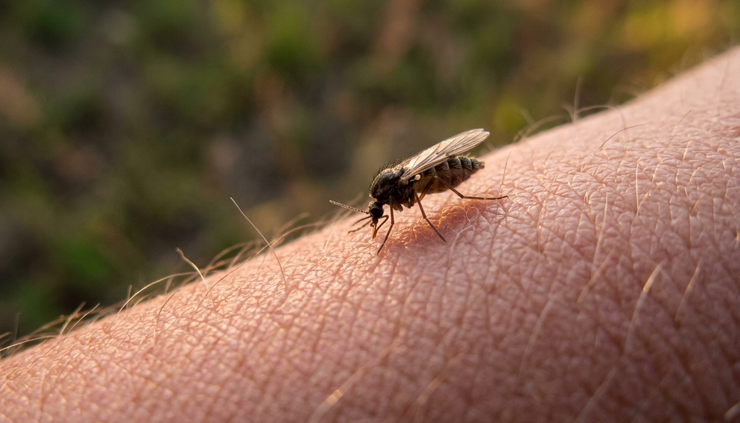
The quick comparison
No-see-um bites and mosquito bites can look alike at first. Both may cause redness, swelling, and itching. The reaction comes partly from the insect’s feeding process and partly from the immune system’s response to saliva left in the skin.
The big difference is how they bite.
No-see-ums use cutting mouthparts that can slice or saw at the skin. Mosquitoes use a slender proboscis that pierces the skin like a tiny needle. That difference helps explain why no-see-um bites can feel sharper right away, while mosquito bites often go unnoticed until the itching starts.
Feature | No-see-um bites | Mosquito bites |
Common feel at the moment of the bite | Sharp, stinging, or painful | Often painless or barely noticeable |
Typical pattern | Small red dots or welts in clusters | One or more raised puffy bumps |
Itch intensity | Often intense | Mild to intense, usually shorter-lived |
Healing time | Can last up to two weeks for some people | Often improves in a few days |
Main concern in the United States | Severe nuisance and scratching-related infection | Higher risk of disease transmission |
Common disease concern | Rarely transmit human disease in the United States | Can spread West Nile virus and, in some areas or travel settings, viruses like Zika or dengue |
Why no-see-um bites often hurt more
No-see-ums are small, but their bite can feel surprisingly aggressive. These insects do not simply slip a smooth tube into the skin. Their mouthparts cut into the surface so they can feed from the tiny pool of blood that forms.
That cutting action is why people often describe no-see-um bites as:
A tiny burn
A quick sting
A sharp pinch
A hot, irritated spot soon after being bitten
The insect is so small that people may not see it land. That makes the bite feel even more confusing. One moment the skin is fine, then several spots start stinging or itching at once.
No-see-ums also tend to show up in groups. A single person may get several bites on ankles, calves, arms, neck, or any exposed skin. The result can be a rash-like cluster of red dots rather than one isolated bump.
For many people, the worst part begins later. The skin may keep itching intensely for days. Scratching can tear the skin, which makes the area more inflamed and raises the chance of a secondary infection.
That is the main reason no-see-um bites are often considered worse for comfort. They can hurt sooner, itch harder, and linger longer.
Why mosquito bites are often less painful at first
Mosquitoes are more familiar, and their bite style is different. A mosquito uses a slender proboscis to pierce the skin and reach a blood vessel. Many people do not feel the bite while it is happening.
The itching comes later because the body reacts to proteins in mosquito saliva. That reaction can create a raised, round, puffy bump. In many cases, the bump itches for a day or two and then fades.
Some people react more strongly than others. Children, people who are sensitive to mosquito saliva, and those bitten by a species they have not been exposed to before may develop larger swelling. A mosquito bite can also become warm, firm, and very itchy.
Still, compared with no-see-um bites, mosquito bites are often:
Easier to identify
More likely to appear as single bumps
Less painful at the moment of the bite
Faster to calm down
That does not make mosquitoes harmless. It only means their bites are often less intense on the skin.

What the bite patterns can tell you
Bite appearance is not a perfect identification tool, but common patterns can help.
No-see-um bites often appear in clusters
No-see-um bites often leave tiny red dots, small welts, or irritated patches. They may appear close together because the insects swarm or because several insects bite exposed skin at the same time.
Common no-see-um bite signs include:
Small, red, pinpoint marks
Groups of bites on lower legs, ankles, arms, or neck
Intense itching that feels out of proportion to the size of the bite
Tenderness or a burning feeling
Bites that seem to last several days or longer
Some people notice bites after being near marshes, beaches, lakes, damp soil, mangroves, or still air at dawn and dusk. No-see-ums are tiny, so a person may not remember seeing insects at all.
Mosquito bites often appear as puffy bumps
Mosquito bites usually form a raised welt. The bump may be pale in the center and red around the edges. It often feels soft or swollen and may itch soon after the bite.
Common mosquito bite signs include:
One raised bump or several scattered bumps
Itching that peaks and then improves
Swelling around the bite
Bites on exposed skin
More activity around dusk, dawn, shaded areas, and standing water
Mosquitoes are easier to see and hear. The familiar high-pitched whine near the ear is often the giveaway.
Which bites itch longer and heal slower
No-see-um bites often win the misery contest here. Many people report that no-see-um bites itch more intensely than mosquito bites and take longer to settle down. Some can remain irritated for up to two weeks, especially if scratched.
The slower healing makes sense. Since no-see-ums cut the skin more than they pierce it, the bite can create more surface irritation. The body then reacts to both the skin injury and the insect saliva.
Scratching makes everything worse. Fingernails can break the skin, introduce bacteria, and turn a simple bite into a sore, scab, or infection. If bites become increasingly red, warm, painful, swollen, or start draining pus, it is time to contact a health care professional.
Mosquito bites often heal faster. For many people, the itching fades within a few days. Some bites last longer, especially if the reaction is strong or scratching continues, but the typical mosquito bump is less stubborn than a cluster of no-see-um bites.
Which insect carries the bigger disease risk
This is where mosquitoes become the bigger concern.
In the United States, no-see-ums are mainly a severe nuisance for people. Their bites can be painful, itchy, and slow to heal, but they rarely transmit human disease in the U.S.
Mosquitoes are different. They are well-known vectors, meaning they can carry and spread pathogens from one host to another. In the United States, West Nile virus is one of the better-known mosquito-borne illnesses. In certain regions, outbreaks, or travel-related situations, mosquitoes can also be associated with diseases such as Zika, dengue fever, chikungunya, and malaria.
That does not mean every mosquito bite is dangerous. Most mosquito bites do not lead to serious illness. But from a public health standpoint, mosquitoes matter more because they can spread disease.
Comfort risk and health risk are not the same thing.
No-see-ums may make the skin feel worse. Mosquitoes are the insect to take more seriously when thinking about infection with a mosquito-borne disease.

How to calm the itching without making bites worse
Bite care is mostly about reducing itch, protecting the skin, and preventing infection. The same basic approach helps with both no-see-um and mosquito bites.
Start with gentle washing. Soap and water remove irritants and reduce the chance of infection if the skin is already scratched.
Use a cold compress for swelling and itch. A clean cloth with cold water or a wrapped ice pack can calm the area for short periods.
Try an over-the-counter anti-itch option if needed. Hydrocortisone cream, calamine lotion, or an oral antihistamine may help some people. Follow the label directions, and ask a clinician or pharmacist if there are questions about age, pregnancy, medical conditions, or medication interactions.
Keep fingernails short if the bites are hard to resist. At night, some people scratch without realizing it. Covering bites with breathable clothing or a small bandage can help protect the skin.
Avoid harsh home remedies that irritate skin. Strong chemicals, heavy scrubbing, or repeated applications of alcohol can dry and inflame the area. That can make itching worse.
Seek medical care right away for signs of a severe allergic reaction, such as trouble breathing, swelling of the lips or face, dizziness, or widespread hives. Also get care for fever, severe headache, body aches, or symptoms that appear after mosquito exposure in an area where mosquito-borne illness is a concern.
How to prevent both types of bites
Prevention works best when it targets exposed skin, clothing, and insect habitat.
Use repellents the right way
EPA-registered insect repellents can help reduce bites from mosquitoes and many biting midges. Common active ingredients include DEET, picaridin, IR3535, and oil of lemon eucalyptus. Always follow the product label, especially for children.
Apply repellent to exposed skin, not under clothing. If also using sunscreen, apply sunscreen first, let it dry, then apply repellent.
Cover skin when insects are active
Long sleeves, long pants, socks, and closed shoes can reduce bites. Light, loose clothing helps in warm weather, though very tiny no-see-ums may still reach exposed areas or bite through thin fabric.
For camping or outdoor evenings, tightly woven clothing can make a difference. In areas with heavy no-see-um activity, fine mesh netting may be needed because standard mosquito netting can be too large.
Reduce breeding and resting areas
Mosquitoes breed in standing water. Empty buckets, birdbaths, plant saucers, clogged gutters, and unused containers can all become mosquito nurseries.
No-see-ums often breed in moist soil, marshy areas, and damp organic material. They are harder to control in natural settings, especially near coasts, wetlands, and lakes.
Good airflow can help. Fans on patios and porches make it harder for small flying insects to land. This is especially useful against weak fliers like no-see-ums.
Time outdoor activity when possible
Both insects can be active around dawn and dusk, though timing varies by species and location. If bites are a repeated problem, pay attention to when they happen. Shifting a walk, yard chore, or patio meal by an hour can sometimes reduce exposure.

The bottom line on pain, itching, and risk
If the question is which bite feels worse, no-see-ums usually have the edge. Their cutting bite style can hurt right away, and their small clustered welts can itch fiercely for days. They are also easier to miss, which makes outbreaks of bites feel sudden and mysterious.
If the question is which insect is riskier, mosquitoes are the answer. In the United States, no-see-ums rarely spread human disease. Mosquitoes can carry serious viruses and create a greater public health concern.
The best response is to treat both seriously in different ways. Soothe no-see-um bites quickly so scratching does not damage the skin. Prevent mosquito bites consistently because the health stakes can be higher. With repellent, protective clothing, WINDOW AND DOOR SCREENS , fans, and smart timing, it is possible to make outdoor time much less itchy.


Comments